S Saginaw Ave & E 89th St Chicago IL 60617
The East Side Demons, better known as ESD, were a east side neighborhood crew that territory stretched from 82th & coles to 89th & saginaw , they originated on the far east side of Chicago. Long before the name became known throughout the community, the members were simply a group of young friends growing up in an area plagued by poverty, violence, and limited opportunities. Many of them came from broken homes and faced daily struggles that forced them to mature at a young age.
Despite the hardships surrounding them, they remained loyal to one another and developed a strong bond that would eventually shape the identity of ESD. The origins of ESD can be traced back to a respected member known as Lil A. Growing up in the neighborhood, Lil A was known for his leadership, determination, and willingness to help those around him. While many young people in the area became discouraged by their circumstances, Lil A constantly encouraged his friends to stick together and protect one another.
His influence quickly spread throughout the neighborhood, making him a respected figure among his peers. The name “East Side Demons” was born after Lil A began referring to his close friends as “demons” because of their relentless attitude toward overcoming adversity.
To him, the word did not represent evil, but rather their toughness, resilience, and refusal to quit despite the challenges they faced.
As more people in the neighborhood recognized the group’s unity, the nickname stuck. Eventually, the initials ESD became a symbol of loyalty, brotherhood, and pride for those who claimed it.
Unfortunately, ESD’s journey was not without tragedy. The neighborhood continued to experience violence, and several members faced difficult life-changing situations. Some lost family members, while others struggled with the pressures of street life. Through every setback, however, the group remembered the lessons Lil A taught them about staying united. His words became a source of motivation whenever members felt overwhelmed by the challenges around them.
The triple 3

After their father was sentenced to prison, Lil A and his twin brothers, Ahmel and Armon, found themselves facing challenges that would have broken most young men. Growing up on the East Side of Chicago, they suddenly had to carry responsibilities far beyond their years. With their family name carrying weight in the neighborhood, many people expected them to follow the same path as their father. Instead, the three brothers chose to build their own legacy, determined to earn respect through leadership, loyalty, and protecting the people closest to them. Lil A quickly became the face of ESD, using his natural charisma and ability to unite people from different backgrounds. Many of the younger members looked up to him because he always kept a level head during difficult situations. As the group’s influence grew, Lil A focused on keeping everyone organized and moving toward common goals.
His leadership style helped transform ESD from a small neighborhood crew into a respected name throughout the East Side. Meanwhile, Ahmel earned a reputation as the strategist of the family.
Known for thinking several steps ahead, he helped the crew avoid unnecessary conflicts and stay focused on their future. While Lil A handled public relationships, Ahmel worked behind the scenes, making sure everything ran smoothly. His calm demeanor and intelligence made him one of the most trusted figures within ESD, and many considered him the backbone of the organization. Armon completed the trio with his fearless personality and unwavering loyalty.
He was known as the brother who would always stand beside his family no matter the circumstances. Together, Lil A, Ahmel, and Armon became the foundation of ESD’s success. Their bond as brothers made them nearly inseparable, and over time they rose to the highest ranks within their crew.
Across the East Side, their story became one of perseverance, brotherhood, and determination, proving that even after hardship, a family can build a powerful legacy of its own. ESD was known as the younger generation of a larger neighborhood organization that traced its roots back to an older crew known as EBE. While EBE consisted primarily of older members who had established themselves years earlier, ESD represented the new wave that carried on the neighborhood’s identity. The younger members often looked up to the veterans from EBE, viewing them as the foundation that helped shape the culture and reputation of the area. Both groups were portrayed as representing the same set, with EBE serving as the older generation and ESD serving as the younger generation.
This connection created a strong bond between the two groups, as older members frequently mentored younger ones and passed down stories about the neighborhood’s history. Many of the traditions, rules, and values that ESD followed were said to have originated from the EBE era. Among those who helped bridge the gap between the generations was Kaywon “Drac” Wallace. Although he was closely associated with ESD, he maintained relationships with many of the older EBE members and was respected by both sides. Younger members viewed him as someone who understood the old ways while also recognizing the challenges faced by the new generation. Because of this, Drac often served as a source of advice and guidance, helping preserve the connection between EBE’s legacy and ESD’s future.
Youth Gun Violence and Perceptions of Firearms in Chicago Chicago is often portrayed in media and popular culture as a city where many young people are surrounded by violence. While it is not true that every teenager in Chicago possesses a firearm, some commun
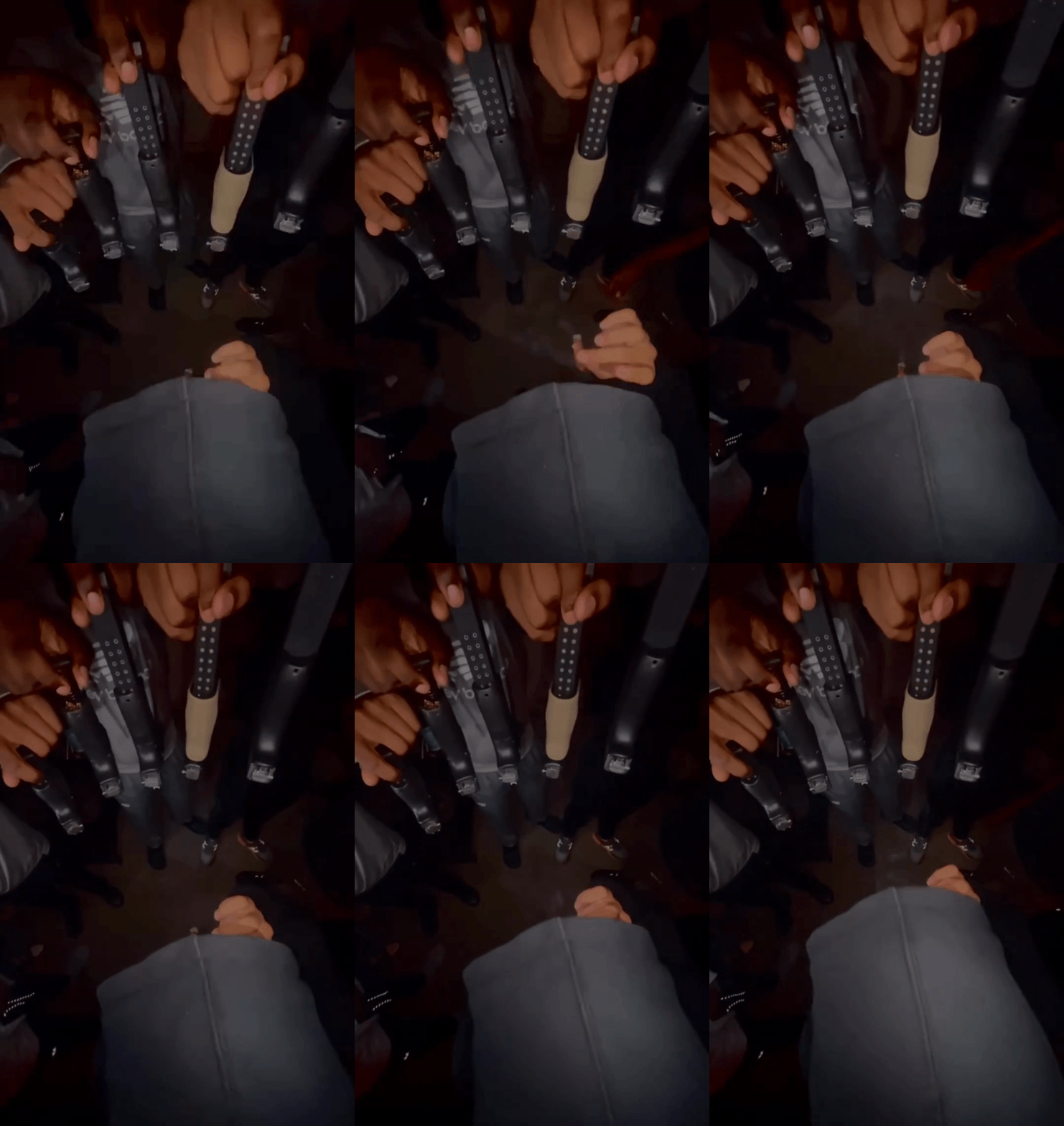 ities have been heavily affected by gun violence, leading to the perception that weapons are common among local youth. This perception is shaped by news coverage, social media, personal experiences, and stories passed down through neighborhoods.
 In areas that struggle with poverty, gang activity, and limited opportunities, some teenagers may be exposed to firearms at an early age.
For a small number of young people, carrying a weapon is viewed as a means of protection rather than aggression. The fear of becoming a victim can influence decisions that place teenagers at greater risk of involvement in violence. Social media has also played a role in shaping attitudes toward firearms. Images, videos, and music sometimes portray guns as symbols of status, power, or respect.
These portrayals can create pressure for some young people to adopt similar images, even when doing so increases the likelihood of dangerous situations and legal consequences. Law enforcement agencies have expressed concern about the appearance of illegally modified firearms and other weapons on the streets.
Such weapons can make violent incidents more deadly and increase risks for both victims and bystanders. Community leaders and violence-prevention organizations have worked to educate young people about these dangers and encourage alternatives to violence. Despite the challenges, the vast majority of Chicago teenagers are focused on school, sports, jobs, family responsibilities, and building positive futures.
Many young people actively avoid violence and participate in programs designed to strengthen their communities. Their stories often receive less attention than crime-related headlines, but they represent the experiences of most youth in the city. Organizations throughout Chicago continue to invest in mentoring, education, employment opportunities, and conflict-resolution programs. These efforts aim to reduce violence by addressing its root causes and providing young people with pathways toward success. Community involvement remains a key factor in creating safer neighborhoods. In conclusion, while gun violence remains a serious issue in some parts of Chicago, it is inaccurate to suggest that every teenager possesses a firearm. The reality is far more complex. Understanding the social, economic, and cultural factors that contribute to violence is essential for developing solutions that protect young people and strengthen communities.
Loyalty Ova Love 
ESD was built on one thing above everything else: brotherhood. From the oldest members to the youngest recruits, everyone was expected to treat each other like family. The neighborhood was tough, and many members grew up facing struggles at home, so ESD became a place where they could lean on one another. Loyalty wasn’t just a word it was a way of life that connected every member together.

From the beginning, ESD emphasized having each other’s backs through good times and bad. Members celebrated each other’s successes and stood together during hardships. Whether someone needed guidance, support, or protection, the expectation was that their brothers would be there. This sense of unity helped create strong bonds that lasted for years. Respect was another major pillar within ESD.
Older members taught younger ones the importance of carrying themselves with honor and representing the organization properly. Members were expected to avoid unnecessary drama among themselves and handle disagreements in ways that wouldn’t damage the group’s unity.
The belief was that internal loyalty made the organization stronger as a whole. Trust played a huge role in maintaining the brotherhood. Members were expected to keep private matters within the circle and avoid spreading rumors or gossip.
Protecting one another’s confidence was viewed as a sign of respect and commitment. This culture of trust helped strengthen friendships and reinforced the idea that everyone was working toward the same goals. When dealing with law enforcement or outside investigations, ESD members believed in exercising their legal right to remain silent and speak with an attorney if questioned.
Older members often reminded younger ones that staying calm, avoiding speculation, and understanding their rights was important. They stressed that legal matters should be handled through proper legal representation rather than through conversations made under pressure.
Over time, ESD’s reputation became tied to its emphasis on brotherhood, loyalty, trust, and unity. Members took pride in looking out for one another and preserving the bonds they had built together. To them, being part of ESD meant standing beside their brothers, staying true to their values, and maintaining the respect that held the organization together.
The term “COS,” short for “Code of Silence,” as a principle they believed represented loyalty and unity during difficult situations. Among members, COS became a phrase that was often repeated whenever someone faced pressure from outside forces. They viewed it as a symbol of standing together and remaining committed to the people they grew up around, regardless of the circumstances. The phrase gained more attention after several members were questioned by law enforcement during investigations in their neighborhood. As rumors spread throughout the community, conversations about trust and loyalty became more common within the group. COS was frequently mentioned as a reminder of the expectations members placed on one another, and it gradually became part of the organization’s identity. Over time, the code developed into more than just a saying. Older members passed the meaning down to younger recruits, describing it as a standard of conduct and discipline. Meetings and gatherings often included discussions about staying composed under pressure, avoiding unnecessary conflicts, and protecting the reputation of the group. The term became deeply woven into the culture they had created. However, the code also created challenges and divisions. Different members interpreted loyalty in different ways, leading to disagreements about what COS truly meant. Some believed it represented honor and brotherhood, while others felt it placed unrealistic expectations on individuals facing serious consequences. As the years passed, the debate over the Code of Silence remained one of the most influential and controversial aspects of the group’s history.
Spank ass fa hottie
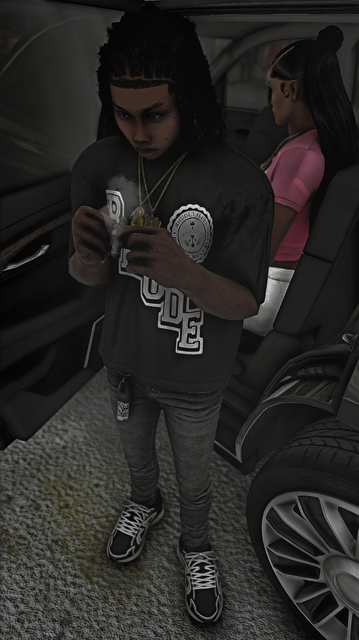
The subset "Hottie Boyz" marked a turning point in ESD’s history. The subset was created after the tragic death of a well-respected member known by the nickname “Hottie.” His passing shocked friends, family, and fellow members throughout the neighborhood. Many of those closest to him felt that his memory deserved to live on, and they began discussing ways to honor the impact he had on their lives.
Before his death, Hottie had built a reputation for being loyal to his friends and dedicated to the people around him. Younger members often looked up to him because of the guidance and encouragement he provided.
He was known for bringing people together during difficult times and helping settle disagreements before they became larger problems. Because of this, many believed his influence should continue even after he was gone.
 In the months that followed, a small group of Hottie’s closest friends came together and established Hottie Boyz. Rather than creating an entirely separate organization, they formed it as a subset within ESD.
The goal was to preserve the values Hottie represented while strengthening the bond among members who had been affected by his loss. The name served as a permanent tribute to someone they believed would never be forgotten. As Hottie Boyz grew, the subset developed its own identity and traditions. Members frequently shared stories about Hottie with younger generations, ensuring that new recruits understood the history behind the name. His legacy became a source of inspiration, encouraging members to remain loyal to one another and support their community through challenges and hardships.
Over time, Hottie Boyz became one of the most respected groups within ESD. Members were recognized for their strong sense of unity and commitment to preserving the subset’s history. They participated in community events, gatherings, and neighborhood activities that reinforced the brotherhood Hottie had helped create during his lifetime.
Years later, the story of Hottie Boyz remained an important chapter in ESD’s history. What began as a way to remember a fallen friend evolved into a lasting symbol of loyalty, friendship, and remembrance. For many members, Hottie Boyz represented the idea that a person’s influence can continue long after they are gone, carried forward by those who refuse to let their memory fade.
One of the most talked-about incidents involved a member known as Lil Fox. According to neighborhood rumors, tensions had been building for months between Hottie Boyz and a rival crew known as Sane Gang. What began as insults and disrespect exchanged through the streets eventually escalated into a serious conflict. Lil Fox was said to have taken the rivalry personally after hearing repeated remarks directed toward Hottie Boyz, causing emotions on both sides to reach a breaking point. The situation turned tragic when an altercation resulted in the death of a Sane Gang member.
Witnesses described the event as the culmination of months of hostility and retaliation between the two groups. In the aftermath, law enforcement launched an extensive investigation, gathering surveillance footage, witness statements, and other evidence connected to the case. As the investigation progressed, attention quickly centered on Lil Fox, whose name repeatedly surfaced throughout the inquiry. Authorities eventually arrested Lil Fox and charged him in connection with the killing. The arrest sent shockwaves through the neighborhood, affecting both Hottie Boyz and Sane Gang members alike. While some viewed the incident as another chapter in a long-standing street feud, others saw it as a tragic reminder of how quickly conflicts can spiral into irreversible consequences. The case became a defining moment in the history of both groups, leaving a lasting impact on everyone connected to the events.
War on Saginaw
The rivalry between ESD and Little Village wasn't said to start over money or territory. According to neighborhood rumors, it started over respect. Back in the early 2010s, both groups were known for organizing block parties, basketball tournaments, and neighborhood events. For years there was an unspoken understanding between them. People crossed through each other's areas without much trouble, and many older members knew each other from school. Things changed after a su
 mmer festival when a dispute broke out between younger members from both sides. What started as social media arguments turned into months of tension. Every mural painted, every memorial put up, and every neighborhood gathering became a statement of pride. As years passed, the rivalry became more about reputation than the original disagreement. New generations inherited stories from older members, but nobody could agree on exactly what started it. Different versions of the tale spread throughout the neighborhoods, turning the conflict into local legend. Residents often joked that the "beef" had become bigger than the people involved. Some claimed it was about a stolen banner. Others said it started from a basketball championship game. A few insisted it began after a disrespectful song was released online. As the rivalry between ESD and Little Village grew, two names became attached to nearly every story told around the neighborhoods: Venom from Little Village and Hottie from ESD.
Older residents would say neither of them started the conflict, but both became symbols of it. Venom was known throughout Little Village as someone who carried himself with confidence and loyalty to his friends. Stories about him spread quickly, and over time it became difficult to separate fact from rumor. To some he was a neighborhood figure people looked up to; to others he represented how deeply the rivalry had become rooted in the streets. Across town, Hottie developed a similar reputation within ESD. Friends described him as outspoken and fearless, while rivals viewed him as one of the faces of the opposition. His name appeared in countless stories, songs, and conversations surrounding the ongoing tension. By the mid-2010s, the feud had reached a breaking point. Social media exchanges, neighborhood disputes, and years of accumulated resentment had created an atmosphere where every incident seemed to make matters worse. Residents often spoke about how young people who had never met each other personally were carrying on a conflict that began years before. Then came the tragedies.According to the lore, Venom's death sent shockwaves through Little Village. Memorials appeared throughout the neighborhood, and his name became permanently attached to murals, clothing designs, and tributes. For many residents, it was a moment that showed how serious the rivalry had become. Not long afterward, Hottie was also lost to the ongoing conflict. His death affected ESD in much the same way. Friends and family remembered him, while the neighborhood struggled to cope with another life cut short.What followed wasn't victory for either side. Instead, both neighborhoods were left mourning.
The losses of Venom and Hottie became cautionary tales told by older residents who had witnessed years of conflict. Today, in the fictional lore, their names are remembered not because of who was winning or losing, but because their stories symbolize the cost of a rivalry that spiraled beyond anyone's control. The feud that once revolved around pride and reputation eventually left both communities carrying the weight of loss.The rivalry between ESD Angle City and South Lawndale reached one of its darkest chapters with the losses of two well-known members: Hottie from ESD and Venom from Little Village. In the fictional history of the feud, both names became symbols of how years of tension and hostility affected not only the factions themselves but also the communities around them. Hottie was regarded by many within ESD as someone who represented the older generation of the neighborhood. His loss sent shockwaves through Angle City, leaving many members feeling that a piece of their history had been taken away. Stories about him were passed down throughout the faction, and his name became closely tied to the era in which the rivalry intensified. For many younger members, Hottie's death served as a reminder of the cost that long-standing feuds could have on an entire community. Across South Lawndale, the loss of Venom carried a similar impact. Known throughout the neighborhood and remembered by friends and family as a recognizable figure within the faction, his death became a defining moment in Little Village lore. Residents often spoke about how the neighborhood changed after his passing, with murals, memorials, and stories preserving his memory. His name became one that younger generations would hear when learning about the history of South Lawndale and the conflicts that shaped it. Rather than bringing closure, the deaths of both Hottie and Venom deepened the divide between the two factions. Rumors, accusations, and unanswered questions fueled years of resentment, causing tensions to remain high long after the incidents themselves. Older residents from both neighborhoods often reflected on the losses as examples of how rivalry could spiral into tragedy, leaving lasting effects on families, friends, and the broader community.
In the years that followed, the names Hottie and Venom became permanently woven into the fictional history of ESD Angle City and South Lawndale. Their stories were remembered not only because of who they were, but because their deaths marked a turning point in the rivalry, illustrating the human cost of a conflict that had already spanned generations. Prior to their deaths, tensions between the two factions had already existed for years, fueled by arguments over reputation, neighborhood pride, and a growing divide between younger generations who felt obligated to carry on old grudges they had inherited from those before them. Hottie was viewed by many in ESD as respected figure who had spent years around the neighborhood and was recognized by multiple generations of members.
Older residents remembered him as someone who had witnessed the evolution of Angle City through different eras, while younger members saw him as a symbol of the faction's history. Following his death, gatherings were held throughout the community as people shared stories about his life, his influence, and the impact he had on those around him. For many in ESD, his passing created a feeling that an important piece of their neighborhood's identity had been lost. Across South Lawndale, the death of Venom had a similar effect. Known throughout Little Village, he became one of the most talked-about names in the faction's history. Friends and family remembered him as someone who had strong ties to the neighborhood and who was deeply connected to the people around him. In the years that followed, stories about Venom became part of South Lawndale's oral history, with older members recounting memories of him to younger generations who never had the chance to know him personally.
" Get back ain got a date "
The history of ESD was filled with controversy, rumors, and stories that spread throughout the neighborhood. One of the most talked-about incidents involved allegations that a member of a rival crew known as Burley Boyz, Lil Scoom, had robbed ESD of a valuable chain. Although no one could ever fully verify exactly what happened, the story quickly became the center of conversations across the area. According to neighborhood gossip, the incident damaged the relationship between the two groups almost overnight. What had once been a tense but manageable rivalry suddenl
 y became much more personal. Members from both sides exchanged accusations, and the alleged robbery became a symbol of disrespect that neither side seemed willing to forget. As weeks passed, tensions continued to grow. People throughout the community speculated about how ESD would respond, while others hoped the situation would eventually cool down before anyone else got hurt. The atmosphere around both groups became increasingly hostile as rumors spread faster than facts.
 Roughly a month later, news broke that Lil Scoom had died. The tragedy immediately sparked another wave of speculation. With few confirmed details available, countless theories emerged regarding what had happened and who might have been involved. Rumors traveled quickly through social circles, often changing with each retelling. One of the most common stories claimed that Lil A, a prominent ESD member, had somehow been connected to the events. However, these claims remained unverified and were largely fueled by street gossip rather than proven facts.
The lack of reliable information only added to the mystery surrounding the situation. For ESD, the incident became another chapter in a long history of conflict and hardship. Some members viewed it as evidence of how quickly rivalries could spiral beyond anyone’s control. Others saw it as a cautionary tale about the consequences of living in an environment where rumors, pride, and retaliation often shaped people’s decisions.
Years later, the story continued to be discussed by those familiar with the neighborhood. Whether the rumors were true or not, the events surrounding the alleged robbery and Lil Scoom’s death became part of local folklore, serving as a reminder of the lasting impact that conflict can have on individuals, groups, and entire communities. ESD became increasingly complicated as the group’s reputation grew throughout the city. What began as a small neighborhood crew eventually evolved into an organization known for its loyalty, internal codes, and long-standing rivalries. As ESD gained attention, every conflict, disagreement, and rumor surrounding its members became the subject of discussion throughout the streets and on social media. One of the most controversial moments in ESD history involved a public livestream featuring Lil A, one of the crew’s most recognizable figures.
During the broadcast, viewers claimed he made disrespectful remarks regarding the recent death of a well-known member associated with another crew. Clips from the livestream quickly spread across social media, drawing attention from supporters and critics alike. The comments immediately generated backlash. Members and supporters of the Bloodhounds viewed the remarks as disrespectful and unnecessary, while ESD supporters argued that the clips were being taken out of context. Regardless of what was actually said, the incident created tension between the two groups and intensified an already hostile relationship. As the controversy continued to grow, online arguments spilled into real-world confrontations. Social media became filled with accusations, rumors, and conflicting stories. Every post, livestream, and comment seemed to add fuel to the fire, making it increasingly difficult to separate fact from fiction. Meanwhile, discussions surrounding the death itself continued to circulate. Different versions of events emerged from various neighborhoods, with many people claiming to possess inside information.
However, very little of the information could be independently verified, causing speculation to spread faster than confirmed facts. For ESD, the situation represented a turning point. Members found themselves dealing not only with rival crews but also with the growing influence of social media. Actions that once would have remained local now reached thousands of viewers within minutes, magnifying every disagreement and making reconciliation far more difficult. Years later, people still referenced the livestream as a defining moment in the fictional rivalry between ESD and the Bloodhounds. Rather than being remembered for any single conflict, the incident became an example of how words, rumors, and public attention can escalate tensions and leave a lasting impact on
War inside the raq
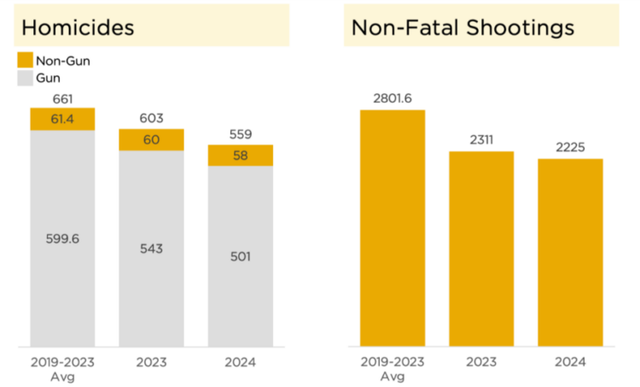
From 2015 through 2026, Chicago experienced dramatic changes in its homicide rate, making it one of the most closely watched cities in the United States regarding violent crime. In 2015, Chicago recorded approximately 468 homicides, a figure that was already concerning to residents and public officials. However, few anti
 cipated the sharp increase that would occur the following year. (Factually) The year 2016 became one of the deadliest years in modern Chicago history. The city recorded more than 760 homicides, representing a massive increase from the previous year. Researchers found that much of the violence was concentrated in specific neighborhoods, particularly on the South and West Sides, where communities were already struggling with poverty, unemployment, and limited economic opportunities. Firearms were involved in the vast majority of killings. (Time) Between 2017 and 2019, Chicago saw gradual improvements as homicide numbers declined from their 2016 peak. Despite these reductions, the city still recorded hundreds of murders each year, keeping public safety at the center of political and community discussions.
 Residents continued to advocate for investments in youth programs, education, mental health services, and violence-prevention initiatives aimed at addressing the root causes of crime. (Macrotrends) The COVID-19 pandemic created new challenges beginning in 2020. Like many American cities, Chicago experienced a rise in violence during the pandemic period. Researchers noted that homicides increased significantly between 2020 and 2021, reflecting broader national trends.
Economic hardship, social disruption, and strained community relationships contributed to an environment in which violent crime became more difficult to control. (Chicago Public Safety) Beginning in 2022, Chicago gradually started experiencing reductions in homicides. Crime data showed multiple consecutive years of decline, although violence remained higher than many residents wanted. Community organizations, violence interruption programs, law enforcement initiatives, and local outreach efforts all attempted to reduce retaliatory violence and prevent young people from becoming involved in criminal activity. (CBS News) The year 2025 marked a major turning point. According to multiple analyses, Chicago experienced one of its largest annual homicide reductions in decades.
Preliminary data showed murders falling by nearly 30 percent compared with 2024, resulting in the city’s lowest homicide total since the mid-1960s. Experts cautioned that progress could still be reversed, but many viewed the decline as evidence that long-term violence reduction efforts were producing results. (CBS News) The impact of Chicago’s homicide problem has extended far beyond the city itself. Families across Illinois have experienced the emotional and financial consequences of losing loved ones to violence. Schools, businesses, healthcare systems, and social service agencies have all been affected. Concerns about crime have influenced where people choose to live, work, and invest, while communities have struggled with trauma caused by repeated exposure to violence.
Research has also shown that gun violence is not limited to Chicago, as several smaller Illinois cities have faced increasing homicide rates in recent years. (Reddit) As Illinois moves through 2026, the state continues to face the challenge of sustaining recent progress while addressing the underlying causes of violence. Many experts argue that successful long-term solutions require a combination of effective policing, economic development, educational opportunities, community partnerships, and violence-prevention programs. While Chicago’s homicide rate remains a serious concern, the recent downward trend has provided hope that safer neighborhoods and stronger communities can be achieved throughout Illinois in the years ahead. (University of Chicago Crime Lab)
FreeDrac
Kaywon “Drac” Wallace was widely respected within the fictional ESD organization as one of the older and more experienced members. To many of the younger guys, he was more than just a leader he was a mentor. Drac was known for teaching younger members how to carry themselves, avoid unnecessary conflict, and
 navigate the difficult environment they grew up in. Whenever someone needed advice, he was usually the first person they turned to, earning him the reputation of being a “big bro” to almost everyone around him.
 Growing up on Chicago’s East Side, Drac experienced hardships at an early age.
He witnessed friends fall victim to violence, families struggle financially, and opportunities become scarce. These experiences shaped his outlook on life and pushed him toward the streets. Despite his influence within ESD, many people believed he genuinely wanted the younger generation to avoid making the same mistakes he had made. As ESD’s reputation grew, so did the attention surrounding its members.
Drac found himself caught between trying to guide others and remaining involved in a lifestyle that constantly placed him in dangerous situations. Friends often warned him that his status and visibility made him a target, but leaving the streets behind proved easier said than done. According to the fictional story, one of the most significant moments in Drac’s life occurred near 82nd Street and Coles Avenue.
Rumors quickly spread throughout the neighborhood that rivals from another area had entered the neighborhood, causing tension and panic. Witness accounts differed greatly, making it difficult to determine exactly what had happened that day. In the chaos that followed, law enforcement responded to reports of gunfire in the area.
As officers arrived, people scattered in multiple directions. Drac allegedly fled the scene, leading to a pursuit through nearby streets and alleys. The incident immediately became a major topic of discussion throughout the neighborhood, with residents speculating about what had taken place. The pursuit eventually ended when officers from the Chicago Police Department apprehended Drac. Investigators began gathering evidence and conducting interviews, while news of the arrest spread rapidly throughout the community.
Soon afterward, authorities announced that Drac would face serious charges connected to the investigation, leaving many shocked by the sudden turn of events. For ESD, the arrest of Kaywon “Drac” Wallace marked the end of an era.
Younger members who once looked to him for guidance were forced to confront the reality of the lifestyle he had lived. In the years that followed, his story became a cautionary tale within the neighborhood a reminder that influence, respect, and leadership could not protect someone from the consequences of choices made in a world filled with
Terratories:
89th & Saginaw
82th & Coles
Gang Nations:
People Nation Alliance
Titanic Stones
Subsets
EBE - ( East Block Executioners )
8deuce
AngelCity
Scoway
89th & Saginaw
82th & Coles
Gang Nations:
People Nation Alliance
Titanic Stones
Subsets
EBE - ( East Block Executioners )
8deuce
AngelCity
Scoway
Local Rapper ESD Lil Moe Arrested Following Armed Confrontation With Police CHICAGO A late-night police pursuit ended in multiple arrests and a major investigation after local rapper ESD Lil Moe was allegedly involved in an armed confrontation with officers on the city’s East Side, according to fictional law enforcement sources. Authorities stated that officers attempted to stop a vehicle connected to an ongoing investigation shortly after 11:30 p.m. Witnesses reported seeing several patrol units converge on the area as the vehicle sped through residential streets.
The pursuit continued for several blocks before coming to a sudden stop near an abandoned commercial property. According to investigators, gunfire was exchanged during the encounter, prompting officers to take cover and call for additional units.
No officers were seriously injured, though several police vehicles reportedly sustained damage during the incident. The exact sequence of events remains under review as detectives continue gathering evidence and interviewing witnesses.
ESD Lil Moe, whose music had gained attention throughout several Chicago neighborhoods, was taken into custody at the scene along with two other individuals. Emergency medical personnel evaluated those involved before transporting them for treatment of non-life-threatening injuries. Authorities later recovered multiple firearms from the area as part of the investigation. News of the arrest spread quickly across social media, where supporters and critics debated the circumstances surrounding the incident.
Family members urged the public not to rush to judgment, while community leaders called for patience until all facts could be established through the legal process.
Police officials emphasized that the investigation remains active and that all suspects are presumed innocent until proven guilty in court. Prosecutors are expected to review evidence and determine potential charges in the coming days.
Meanwhile, residents expressed concern over the violence and hoped the incident would not lead to further retaliation or unrest in the neighborhood. As investigators work to piece together the events of the night, the case has become a major topic of discussion throughout the city, highlighting ongoing concerns surrounding crime, public safety, and the challenges facing young artists growing up in high-risk environments.[/SPOILER]
Last edited: